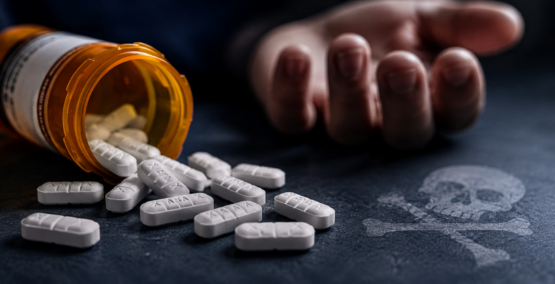

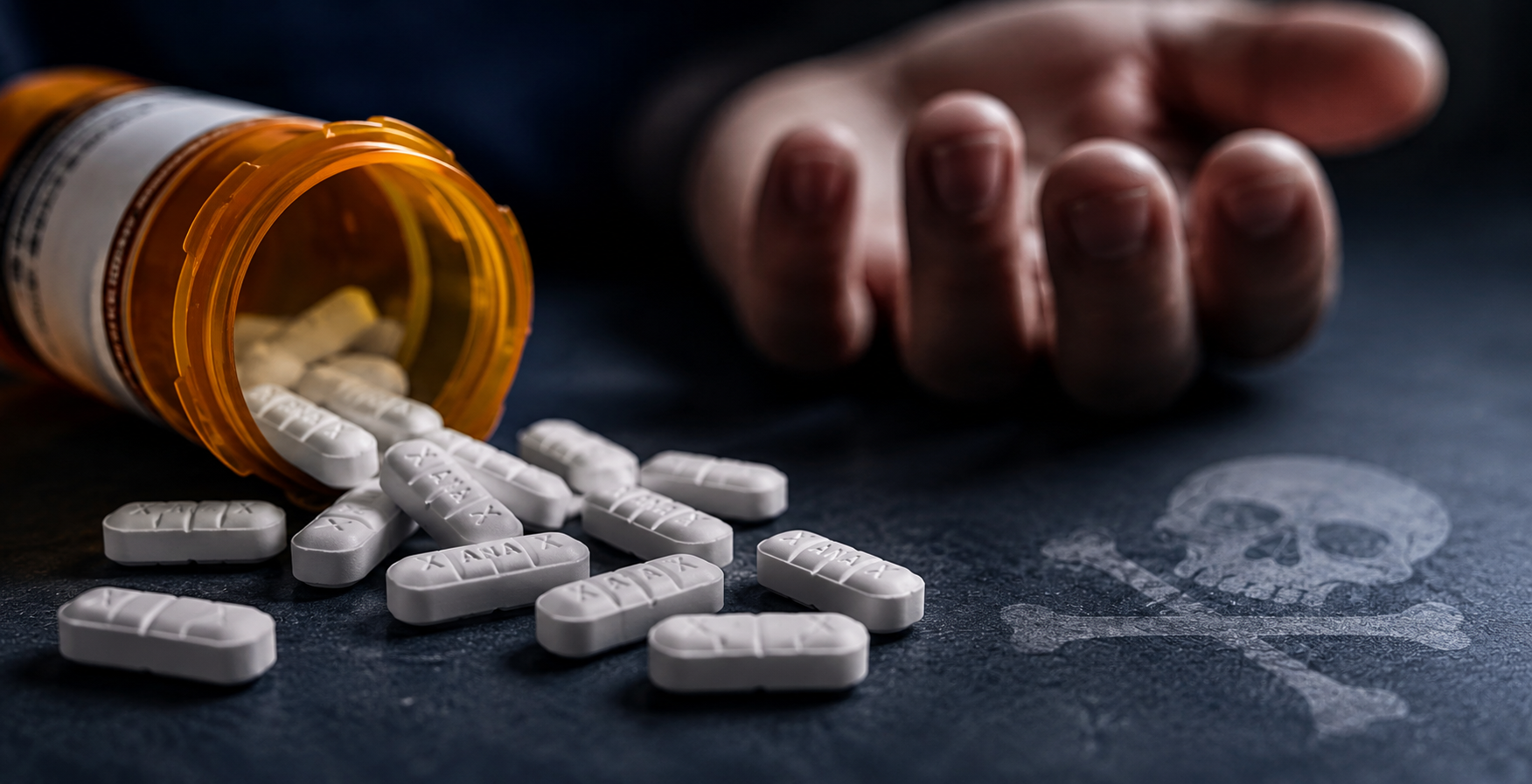
Yes, you can overdose on Xanax. If someone has collapsed, is having a seizure, cannot breathe normally or cannot be awakened, call 911 immediately. For a possible overdose without those critical symptoms, call Poison Control at 1-800-222-1222. The service is available across the United States at no cost, with complete confidentiality and 24/7 access.
Xanax contains alprazolam, a benzodiazepine that slows activity in the central nervous system. Too much can cause severe drowsiness, confusion, loss of coordination and unconsciousness. The danger rises sharply when alprazolam is combined with alcohol, opioid pain medications or other sedatives.
Can You Overdose on Xanax Alone?
An alprazolam overdose can happen without another drug being involved. According to the FDA-approved prescribing information, benzodiazepine overdose can progress from drowsiness and confusion to slurred speech, reduced reflexes, poor coordination, low muscle tone, anxiety and coma. Severe cases may involve respiratory depression.
There is no reliable number of tablets that can be treated as a universal overdose threshold. The outcome depends on the dose, formulation, individual tolerance, age, liver function, other medical conditions and whether another substance was taken. Older adults and people with liver impairment may clear alprazolam more slowly, increasing or prolonging its effects.
Pills obtained from an unlicensed seller create another unknown. The FDA warns that unsafe online pharmacies may supply medication containing too much, too little or none of the expected active ingredient. A tablet’s shape, color or printed strength cannot confirm what is actually inside it.
Warning Signs That Should Never Be Ignored
Someone who has taken too much alprazolam may initially appear extremely tired or intoxicated. Do not assume the symptoms will remain mild. Watch for worsening alertness, breathing changes and an inability to respond normally.
| What you observe | What it may indicate | What to do |
| Unusual drowsiness, confusion or slurred speech | Central nervous system depression | Call Poison Control immediately |
| Stumbling, weak coordination or inability to sit upright | Increasing sedative effect | Keep the person supervised and seek expert guidance |
| Loss of consciousness or inability to wake | Severe overdose | Call 911 |
| Slow, shallow or difficult breathing | Respiratory depression | Call 911 immediately |
| Collapse or seizure | Medical emergency | Call 911 immediately |
MedlinePlus lists drowsiness, confusion, coordination problems and loss of consciousness among alprazolam overdose symptoms. It advises calling 911 when the person has collapsed, experienced a seizure, developed breathing trouble or cannot be awakened.
Why Mixing Xanax Changes the Risk So Quickly
Xanax becomes substantially more dangerous when its sedative effects are combined with another substance that slows the brain and breathing. A dose previously tolerated on its own may produce a very different result after alcohol, an opioid or another sedating medication.
Opioids Create The Highest-Risk Combination
The FDA boxed warning states that combining benzodiazepines with opioids can cause profound sedation, respiratory depression, coma and death. Opioids may include prescription pain medicines as well as illicit fentanyl or heroin.
When opioid exposure may be involved, administer naloxone if it is available and call 911. Naloxone does not reverse alprazolam, but it can reverse the opioid component of a mixed overdose. The CDC specifically recommends naloxone access for people who use opioids and benzodiazepines together.
Alcohol and Other Sedatives Add To The Slowdown
Alcohol, sleeping medicines and other central nervous system depressants can intensify sleepiness, impaired judgment and breathing suppression. The FDA reports that fatal benzodiazepine overdoses are more commonly associated with additional depressants, including alcohol and opioids.
Picture a person who takes their prescribed evening Xanax, drinks several alcoholic beverages and later uses an opioid pain tablet. When they become difficult to wake, the safe response is not coffee, a cold shower or waiting until morning. It is an immediate 911 call, with naloxone given when opioid exposure is possible.
What to Do During a Suspected Overdose
Call 911 immediately when breathing is slow or difficult, the person is unconscious, has collapsed, is seizing or cannot be awakened. Otherwise, contact Poison Control at 1-800-222-1222 and provide the person’s age, medication name, strength, estimated amount, time taken, symptoms and any other substances involved.
Remain with the individual and carefully follow the instructions provided by the dispatcher. Do not induce vomiting. Do not give another medication to “cancel out” the Xanax, and do not allow the person to drive. Keep the medication container or packaging available for emergency responders.
Where intentional self-harm may be involved, Poison Control advises immediate evaluation by a healthcare professional, usually in an emergency department. Do not leave the person alone.
How Hospitals Treat an Alprazolam Overdose
Emergency treatment generally focuses on protecting the airway, supporting breathing, monitoring vital signs and treating complications. The FDA prescribing information describes supportive care such as airway management and intravenous fluids.
Flumazenil can reverse some benzodiazepine sedation, but it is not a routine home antidote. It may trigger withdrawal or seizures, particularly in people who have used benzodiazepines long term or who have taken certain other drugs. Clinicians decide whether its potential benefit outweighs those risks.
Reducing the Risk Before the Next Dose
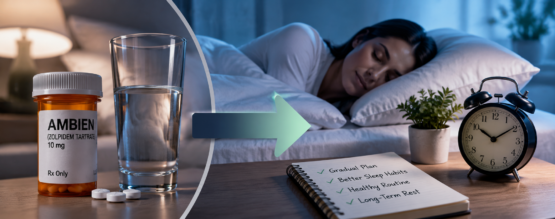
Take alprazolam exactly as prescribed. Do not double a dose after forgetting one, use another person’s tablets or combine it with alcohol or opioids without direct medical guidance. Xanax is a Schedule IV controlled substance in the United States because it can be misused and can lead to dependence.
Avoid abruptly discontinuing after regular use of Xanax. Abrupt discontinuation or a rapid dose reduction can cause serious withdrawal reactions, including seizures. A prescriber should create a gradual taper when the medication needs to be reduced or stopped.
When obtaining a prescription online, price should never be the main safety test. The FDA advises using a pharmacy that requires a valid prescription, provides a U.S. address and phone number, offers access to a licensed pharmacist and holds a license with the relevant state board of pharmacy. Extremely low prices and “no prescription needed” offers are warning signs, not bargains.
The No-Shortcuts Advice a Pharmacist Would Give
Keep one current list of every prescription, over-the-counter medicine and supplement you use. Share it with both the prescriber and pharmacist before starting alprazolam. Ask specifically about pain relief medicines, sleeping aids, antihistamines and substances that cause drowsiness.
Use discreet delivery and round-the-clock support for convenience, but never as substitutes for pharmacist verification or medical supervision. Any pharmacy dispensing alprazolam should confirm the prescription, strength, quantity, interactions and delivery eligibility before processing an order.
The Bottom Line
A Xanax overdose is possible, and mixed-substance overdoses can become fatal quickly. Severe sleepiness, confusion, poor coordination or unconsciousness require immediate action not observation at home.
GoPharmaRx should support responsible access through prescription verification, pharmacist review, discreet delivery in legally permitted U.S. locations and 24/7 assistance. During a suspected overdose, contact 911 or Poison Control at 1-800-222-1222 rather than waiting for routine pharmacy support.